Your vehicle’s differential plays an important role in transferring power to the wheels while allowing them to rotate at different speeds when turning. When this component begins to wear or develop problems, the symptoms can affect everything from handling to tire wear.
Recognizing the warning signs early can help you determine when it may be time to have the system inspected. Depending on the condition of the components, a differential repair Edmonton service may involve addressing a specific problem, while more extensive wear may require rebuilding the unit.
Why Does the Differential Matter?
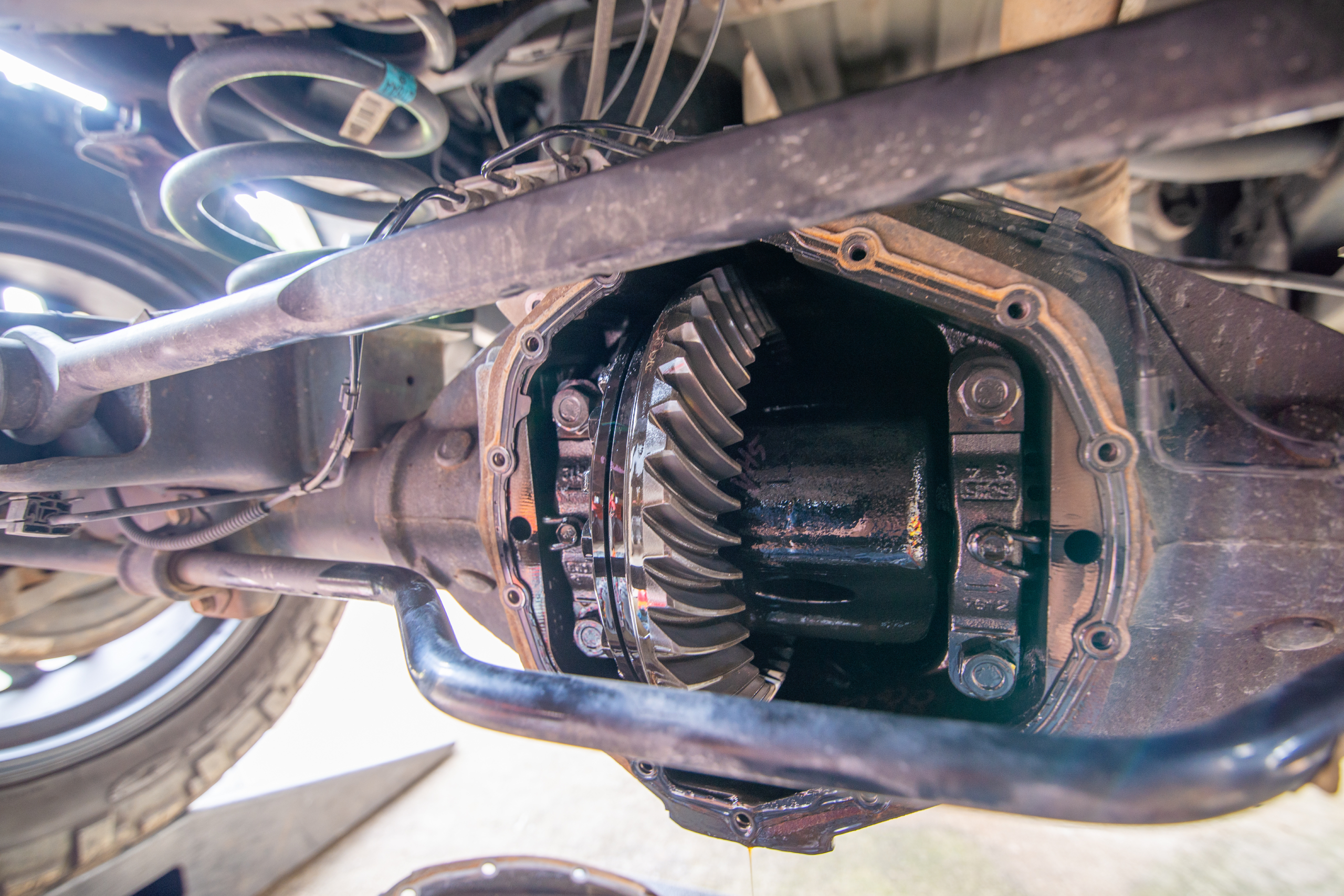
A differential uses components such as spider gears, side gears, and a carrier to distribute torque between the drive wheels. This arrangement allows the wheels to rotate at the speeds needed to follow the radius of a turn.
Because gears, bearings, seals, and other components are constantly working together, wear can develop over time. Low lubrication, damaged bearings, worn gears, leaks, and ventilation issues are among the problems that can affect differential performance.
Common Signs Your Differential May Be Failing
1. Whining, Humming, or Grinding Noises
Unusual noises are among the most recognizable signs of differential trouble. Whining, humming, grinding, or growling sounds can be associated with worn gears, damaged bearings, or lubrication problems.
Pay attention to when the sound occurs. Noise that becomes more noticeable during acceleration or while turning may warrant a professional inspection.
2. Vibration During Acceleration
A vehicle that begins vibrating during acceleration may have an issue within its drivetrain. Uneven gear mesh or worn differential components can create vibrations that may be felt through the vehicle. Since vibration can have several possible causes, an inspection can help determine whether differential repair is appropriate.
3. Fluid Leaks Near the Differential
Differential fluid lubricates internal gears and bearings. Gaskets, seals, the differential cover, filler hole, drain plug, or other areas can develop leaks, reducing the amount of lubrication available to internal components.
If you notice fluid beneath the differential housing, having the source checked can help prevent additional wear caused by insufficient lubrication.
4. Uneven or Premature Tire Wear
Your tires can also provide clues about differential performance. When the differential is not operating correctly, the wheels may not work together as intended, potentially contributing to uneven or premature tire wear.
Uneven wear can have multiple causes, so it should be considered alongside other symptoms rather than treated as proof of differential failure.
5. Changes in Handling
Poor handling, difficulty cornering, or unusual behavior during turns can indicate a differential problem. You may notice that the vehicle feels different while cornering or requires more attention to control.
These changes should not be ignored, particularly when accompanied by noises, vibrations, or leaks.
When Is a Differential Rebuild Needed?
Not every differential problem requires a complete rebuild. Some issues may involve individual components, such as bearings, seals, or leaks. When key components show significant wear or damage, however, a differential rebuild Edmonton service may be needed.
Alberta Drive-Line Rebuilders Ltd. states that its differential rebuilding process involves completely dismantling the unit, cleaning and checking components, replacing bearings, gaskets, and seals through master overhaul kits, and replacing other required hard parts.
Have Differential Problems Inspected Early
Alberta Drive-Line Rebuilders Ltd. has been working in the driveline industry for over 40 years and services differentials for a range of vehicles. If you suspect a problem, professional differential repair or rebuild services can help identify the condition of the unit and determine the appropriate next step.