Whether a transmission needs a minor repair, a rebuild, or a full replacement is usually determined by three things: how it shifts, what a scan tool shows, and how many miles are on the internal components. A quick diagnostic; often under an hour; can usually point Edmonton drivers in the right direction before Alberta Drive-Line recommends next steps.
Fast Facts
- Minor repairs, like fixing a sensor or solenoid, often cost a fraction of a full rebuild.
- A transmission rebuild typically involves the replacement of 100+ internal wear components, not just the ones that failed.
- Fluid that smells burnt or looks dark brown is one of the more common early warning signs.
- Some 4×4 and off-road builds in the Edmonton area are found to need custom rebuilds rather than stock replacement units.
- According to available data, delayed diagnosis is one of the biggest reasons minor issues turn into full rebuilds.
When the Symptoms Show Up First
Most transmission problems start small. A slight hesitation before the vehicle shifts, a clunk that wasn’t there last month, maybe a warning light that flickers on and off; these early signs are worth paying attention to, because they’re often the cheapest ones to fix. In Edmonton, where fluid and seals are put under extra strain by both winter cold and summer heat, small symptoms tend to be noticed earlier than drivers expect. Catching them here can mean the difference between a $200 sensor swap and a $3,000 rebuild down the road. That gap, in a way, is exactly why early diagnosis matters so much.
What a Minor Repair Usually Looks Like
A minor repair typically involves something external to the transmission’s internal gear train: a solenoid, a sensor, a leaking seal, or fluid that hasn’t been changed in years. These parts fail on their own schedule and don’t necessarily mean the whole unit is wearing out. One customer, a daily commuter with an aging SUV, came in convinced a full rebuild was needed because of a warning light. It turned out to be a single faulty sensor. Not every symptom points to disaster; in most cases, the fix is more contained than people fear.
When Wear Has Moved Past Repair
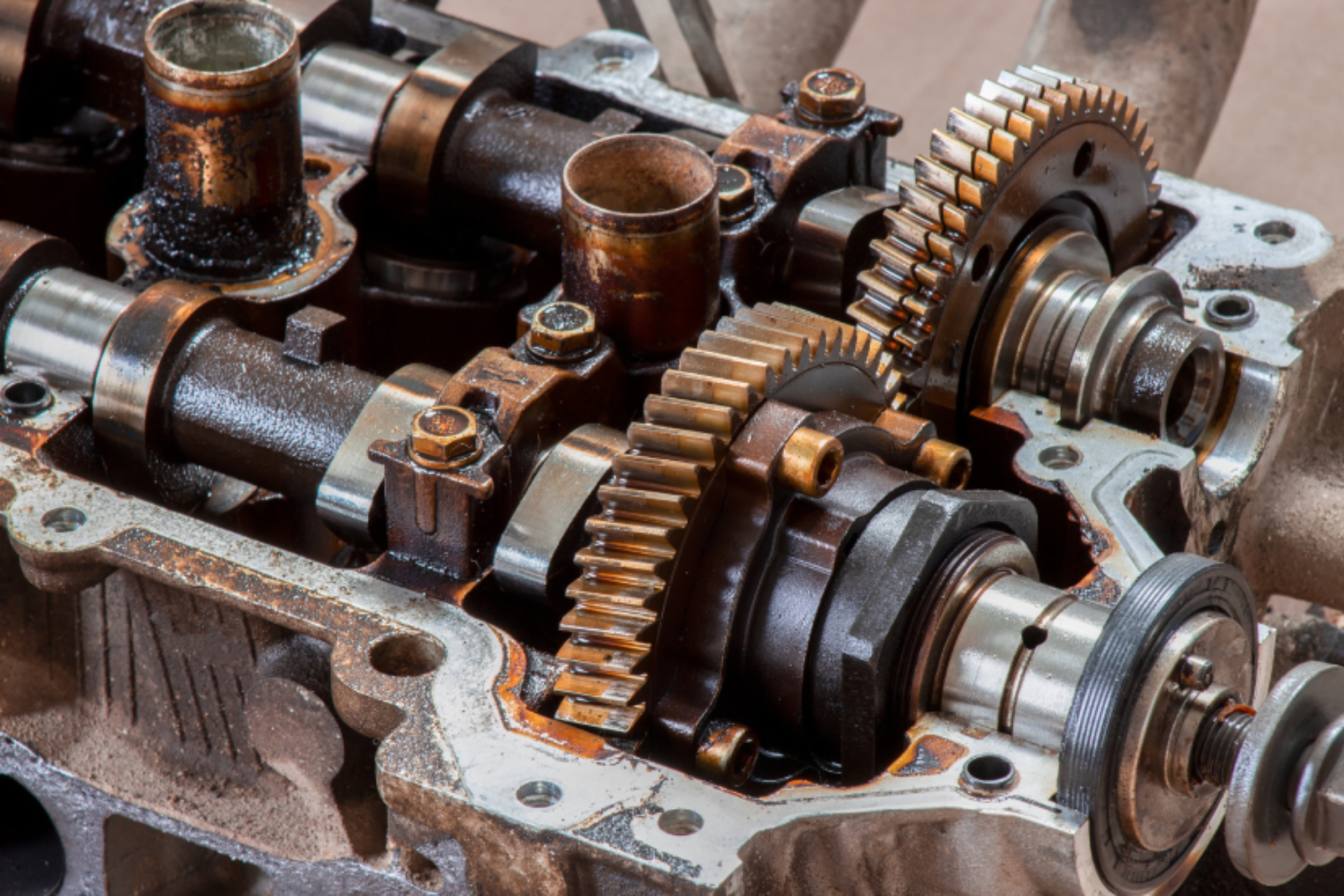
Sometimes, though, the internal clutches and bands have simply worn down from age and mileage, and this is where things shift toward a rebuild. Metal shavings in the fluid, grinding during shifts, or slipping under acceleration are signs that internal components, not just external sensors, are involved. In a rebuild, the transmission is fully disassembled, inspected part by part, and reassembled with new wear components. It’s more involved than a minor repair, to be fair. Even so, it is often more cost-effective than full replacement, especially on vehicles worth keeping long term.
Custom Builds Change the Calculation
For the gearheads and 4×4 owners we work with, this decision gets more complicated. How a transmission and differential interact under load is changed by a driveshaft balancing job or a custom gear ratio swap, so wear patterns can look different than on a stock daily driver. Project vehicles have been seen coming in with symptoms that would suggest a routine rebuild on a commuter car, but the real issue turned out to be tied to a mismatched gear ratio from a previous shop. Depending how you look at it, this is where specialized experience really pays off. Interesting how that works, honestly.
Why Replacement Sometimes Makes More Sense
There are cases where rebuilding isn’t the practical choice. If the transmission case itself is cracked, or if the cost of parts and labor for a rebuild approaches the price of a quality remanufactured unit, replacement often wins out. This isn’t about upselling; it’s about being honest with customers about where their money goes furthest. A transmission with a damaged case, for instance, generally can’t be salvaged, no matter how good the internal parts are. That sounds good on paper, but the numbers usually make the decision fairly clear once they’re walked through together.
The Diagnostic Step Nobody Should Skip
Before any repair, rebuild, or replacement is recommended, a proper diagnostic should happen first. A computer scan, a road test, and often a fluid inspection are typically involved. When this step gets skipped, minor issues end up being treated as major ones, or vice versa. At Alberta Drive-Line, this process is handled with diagnostic scanners and testing equipment that most Edmonton area drivers won’t have access to on their own. It usually takes less time than people expect, and the guesswork, in a way, is removed entirely.
Getting the Right Diagnosis, the First Time
Four decades of family-run experience has taught us one thing above all: doing the job right the first time saves everyone money and stress. Whether your vehicle is a daily commuter or a modified off-road build, the goal stays the same, figure out exactly what’s wrong before anything gets recommended. That’s the difference between a shop guessing and a shop that’s actually done the diagnostic work. Probably enough said there. If your transmission is showing any of the signs above, the next step is simple. Visit Website to reach Alberta Drive-Line Rebuilders Ltd and get a proper diagnosis before deciding what comes next.
Mini-FAQ
Q: How do I tell if my transmission needs a minor repair or something bigger? The first clue is usually found in how the shift feels. A harsh shift, a delay before the vehicle engages, or a warning light can often be traced to a sensor, solenoid, or fluid issue, and these are typically resolved without the transmission case being opened up. If the problem involves grinding, slipping under load, or metal shavings in the fluid, the damage has likely moved into internal components; a rebuild becomes more likely at that point.
Q: What’s the difference between a rebuild and a full replacement? In a rebuild, the transmission is removed, taken apart, and reassembled with new internal components like clutches, bands, and seals. A replacement, on the other hand, means an entirely different unit is swapped in, either remanufactured or new. Rebuilds are generally chosen when the transmission case and major hard parts are still found to be in good shape. Replacement tends to make more sense when the case itself is damaged, or when the cost of parts and labor gets close to the price of a replacement unit.
Q: Are there signs I can check at home before bringing my vehicle in? Yes, a few things are worth checking before a diagnostic is scheduled. Fluid color and smell should be checked, whining or clunking during gear changes should be listened for, and it should be noted whether shifts feel delayed or rough. None of these checks replace a proper scan, but they help our technicians understand the timeline of the issue. Vehicles driven hard, towed frequently, or used off-road tend to show wear patterns earlier than daily commuter vehicles.
Q: How urgent is it to get a rear differential or transfer case issue checked? Whining noises, vibration at speed, or fluid leaks from the differential or transfer case should generally be looked at within a week or two, rather than ignored. These components share load with the transmission, and a small leak or worn bearing can turn into a larger repair if driven on too long. It is not usually treated as an emergency the same day symptoms appear, though waiting months is not advisable either.
Q: What should I look for when choosing a transmission shop in the Edmonton area? Experience with your specific vehicle type matters, especially for 4×4 builds or performance vehicles with custom gear setups. It’s worth asking whether the shop uses diagnostic scanners rather than guesswork, and whether the reasoning behind a repair versus a rebuild recommendation is explained clearly. A shop willing to walk through the diagnosis step by step is usually a good sign of honest work.