You’re crawling through traffic in Edmonton, your check engine light flickers, and the gears in your car just don’t feel right. Is it an issue with an automatic transmission, or is the manual clutch slipping? For any driver, confusion about which repairs are needed and how they differ can cause significant anxiety and unexpected costs. Whether you need a transmission rebuild in Edmonton or are searching for differential repair in your area, knowing how manual and automatic systems diverge can help you make better decisions and avoid overpaying or misdiagnosis.
What Are Automatic and Manual Transmissions?
Manual Transmission |
Automatic Transmission |
|
|
|
|
|
|
Step-by-Step: What Happens in a Repair (Automatic vs Manual)
Here’s a comparison walk-through of what’s involved when you bring in your car to Alberta Drive-Line:
- Initial Diagnosis
- Automatics: may include scanning the transmission control module, checking fluid pressure.
- Manuals: inspect clutch operation, listen for gear noises, check synchronizer function.
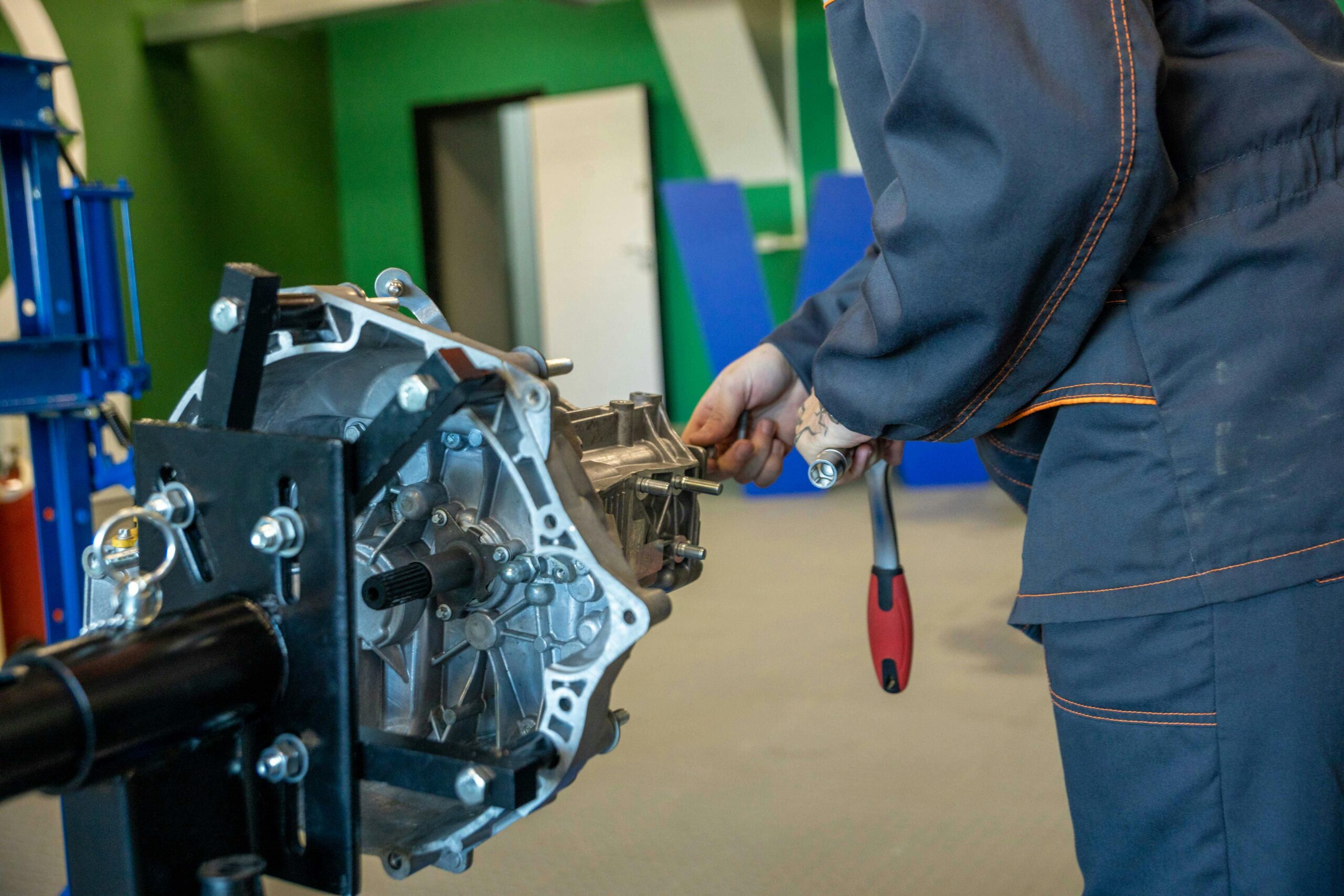
- Disassembly & Inspection
- Automatics: removing the torque converter, disassembling the valve body, and inspecting the bands/clutches.
- Manuals: removing transmission, checking clutch, flywheel, gears/synchros.
- Parts Replacement
- Manuals: replacing worn clutches, flywheel resurfacing, synchronizer rings, and bearings.
- Automatics: replacing solenoids, clutch packs, torque converter, valve bodies as needed.
Why the Choice Matters: Real-World Tips for Edmonton Drivers
- Local climate/status factors: Cold starts, temperature swings, and stop-and-go traffic (common in Edmonton winters) can exacerbate transmission issues. Automatics may suffer more from internal fluid thickening or delayed engagement. Manuals suffer more if the clutch is used improperly in snow or icy conditions.
- Cost and value considerations: If you’re looking for transmission shops in Edmonton or transmission repair, you’ll notice automatics often cost more in parts and labour. But a well-performed automatic transmission rebuild can return your vehicle to smooth operation for many thousands more kilometres when done properly.
- Maintenance is key: Regular fluid changes or inspections can help avoid big repair bills. For differentials (if you have rear-wheel drive or four-wheel drive), rear differential repair or differential rebuild is another piece that often gets overlooked but plays into overall driveline health.
When to Seek Professional Help
If you notice any of the following, bring your car into a specialist transmission shop:
- Transmission rebuild needed (you hear clear signs of major internal damage)
- Persistent performance issues even after fluid changes or minor adjustments
- Differential noises or leakage — seek rear differential repair or differential rebuild in Edmonton if you’re hearing whining or feeling vibrations, especially at higher speeds
Choosing between automatic vs. manual transmission repair isn’t just about which feels easier to drive; it’s about what kind of wear you see, how much you’re willing to invest, and how well the vehicle has been maintained. Manuals tend to be simpler and can be cheaper for some repairs (especially clutch-related), while automatics require more complex diagnostics and often more involved parts and labour. For Edmonton drivers, especially, harsh weather, heavy use, and neglected maintenance can push even well-built systems to their limits.